Commodity Product, Rebranded Origin Story
 New data from Circana confirms something we’ve felt in the market for a while: adult women are now driving more than half of toy industry growth in the US. Not children, not gift-buyers shopping for children. Women buying for themselves.
The category doing the heaviest lifting is sensory. Squishy toys posted triple-digit growth in both units and dollars through April. TikTok Shop is now the third-largest toy category on the platform, fuelled by unboxing content and the hunt for limited editions.
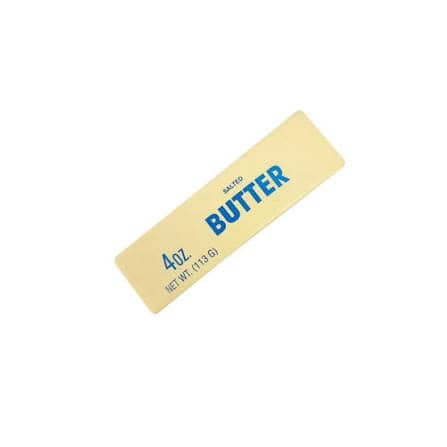
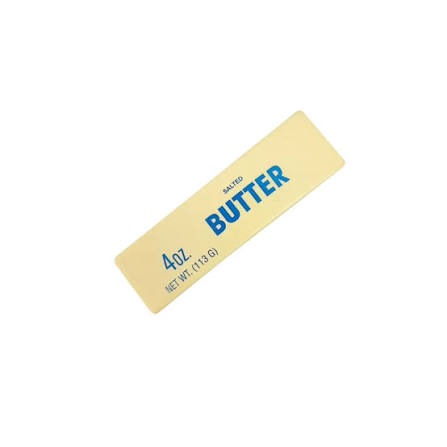
Here’s the part nobody wants to say out loud. Most of what’s driving that growth isn’t new. I saw maltose-textured squishies in China months before they blew up online. A supplier told me they’d be big. I didn’t believe him. I saw the butter stick stress toy too and thought, fair enough, decent product, but a one-off, not a trend. I saw the dumpling squishies in Yiwu on the same trip. Commodity product, sitting in factories, available to anyone who walked through the door.
Since then, at least two brands with considerably deeper pockets than mine have branded these lines and are now publicly claiming to be the originators. They are not. This is commodity product with a label stuck on it, timed well and marketed hard.
None of that makes the products bad. It makes the marketing dishonest. Distributors sourcing for the back half of the year should know the difference between an actual innovation and a factory line with a good TikTok strategy behind it. Both can sell. Only one deserves the credit currently being claimed.