The Toy Shelf Has Moved: TikTok, Sensory Toys and What the Circana Numbers Actually Mean
 The numbers are out, and they deserve more than a passing glance.
Circana published US toy market data for the first four months of 2026 last week. Dollar sales up 13% year-on-year. Unit sales up 5%. Average selling price up 7%. In a discretionary retail environment where most categories are under pressure, that is a result worth stopping to read twice.
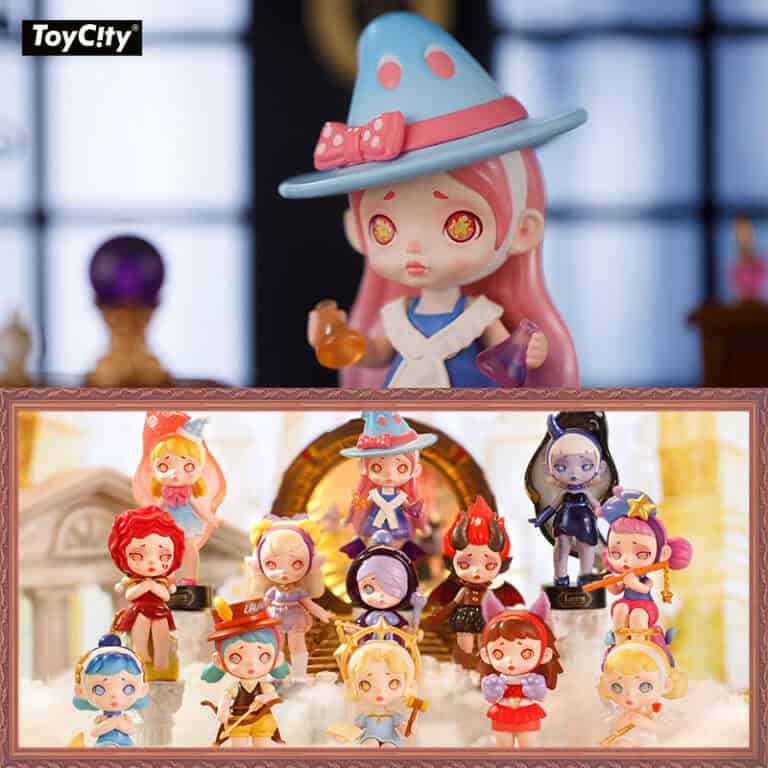
What is driving it? Collectibles. Licensed product. And sensory toys, which recorded triple-digit growth in both dollars and units through April. The NeeDoh craze is the most visible example, but it represents something broader. Consumers are discovering products through content, not shelf placement. A product appears in someone’s feed, gets shared three times, and is sold out before the week is done. It is a different kind of demand, and it is reshaping how the toy industry operates at every level.
That shift matters more than the headline growth figures.
Circana’s data shows TikTok Shop has gone from near-zero to representing 1% of total US retail sales and 3% of all e-commerce sales in just two years. Toys, hobbies, and collectibles are the third-largest category on the platform. That is not a niche channel any more. That is infrastructure. Any toy brand or distributor still treating TikTok as an experiment worth monitoring is already behind the brands that have embedded it into their core commercial strategy.
The Toy Association ran a webinar on this recently for members, titled “Grow with TikTok Shop: Toys Edition.” For those looking to get started, TikTok runs its own free learning platform, TikTok Shop Academy, which covers everything from setting up a shop through to affiliate partnerships and live selling. TikTok Academy at tiktokacademy.com also runs free live sessions open to anyone in the industry.
For a toy industry perspective on social commerce more broadly, Nic Jones of SituAction and ShoutAbout.shop is the person worth following. Thirty years in toys and licensing, from Hornby to Mattel to Disney and Lego, and now entirely focused on where the industry’s commercial future is being built. He wrote recently for Global Toy News about the shift from factory to feed, making the case that social commerce is not a trend to observe but a commercial discipline to master. His platform ShoutAbout.shop connects toy brands with creators and communities in a way that drives real commercial outcomes, not just reach. If you are working in toys and not following his thinking, you are missing the clearest analysis of this subject in the industry.
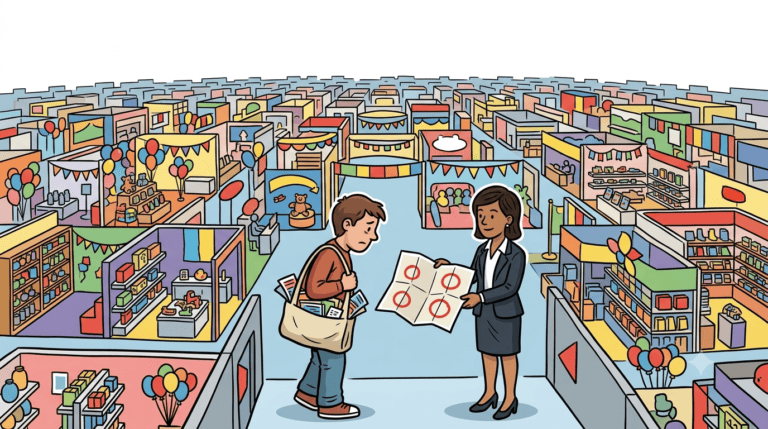
The broader point is straightforward. The toy shelf has moved. It used to be physical. Then it became digital search. Now it is a scroll. Brands that understand that are building demand in ways that did not exist three years ago. The ones that do not are watching their shelf space matter less with every passing quarter.
The Circana data is not a forecast. It is a description of where the market already is. The question worth asking is whether your business has caught up with it.